
Creative Writing Programme
Write. Belong. Be Read.
Overview

structure

Pathways

Outcomes

enrolment

fees
overview
Write. Belong. Be Read.
What sets us apart
- A reader–writer ecology. Writers develop craft through the experiential effects of storytelling, learning how language shapes attention, emotion and interpretation in real readers.
- Theory as a working tool. Ideas drawn from figures such as Said, Bhabha, Barthes and Woolf clarify narrative stance, voice and structure, giving writers a critical vocabulary for decision-making.
- Communal critique with editorial discipline. Close reading, discussion and iterative revision sharpen intention, refine tone and cultivate the ability to diagnose the strengths of a page.
- Publication-facing practice. Writers work toward selected publication in the Sahab Collective Journal and a public reading, moving work from private ambition to communal reception.
- Cultural and literary positioning. The programme supports the emergence of a confident literary identity and an awareness of how writing circulates culturally, aesthetically and ethically.
- Sustained creative networks. Cohorts become communities. Writers leave with a circle of readers who continue to offer accountability, perspective and momentum.
- Academically grounded creative practice. We offer theoretical depth, structured critique and disciplined editorial practice, without the abstraction of credit-based assessment.
Key details at a glance
Name of Programme
Tuition Time
Mode of Learning
Venues
Start Date
Finish Date
Portfolio Development
What you will Produce
Format
Cohort Size
Entry Requirements
Fees
structure
How you will learn
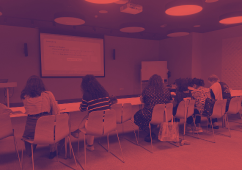
Each pathway consists of twelve weekly seminars, either in person or online to support working professionals. Sessions begin with guided discussion of a selected text, chosen to broaden literary range and introduce theoretical perspectives aligned with the thematic focus. Writers then engage in close reading, generative exercises and communal critique that focalise reader response and develop control on the page. Drafting and revision continue between seminars, building momentum toward the creative portfolio, the critical commentary and selected publication in the Sahab Collective Journal.
You will learn through:
You will learn through:
- weekly seminars that combine guided discussion, close reading and practical craft exercises
- curated reading that applies theoretical perspectives to narrative stance, voice and structure
- communal critique that clarifies intention through attentive reader response
- iterative revision across sequential drafts, guided by editorial feedback
- reflective prompts and preparatory tasks that extend learning between seminars
- developmental meetings that support manuscript progression and commentary strategy
Download Programme Specification
Pathways on the Creative Writing Programme
outcomes
Work for real readers
Writers complete the programme with work ready to meet real readers. Each participant develops an industry-standard portfolio and contributes to the Sahab Collective Journal, accompanied by a public reading that moves private intention into communal space. These outcomes mark visible progress, and create material evidence of craft and commitment.
Alongside formal deliverables, writers gain the benefits of sustained community. Accountability, shared momentum, and informed critique cultivate habits that overcome the solitude in which many projects stall. This network becomes a lasting circle of attention and support.
The skills acquired extend beyond the page. Writers learn to articulate creative decisions, speak with clarity to an audience, and draw on research and theory to strengthen intention. Close reading fosters analytical perception; revision refines judgement; iterative discussion builds confidence and control in language. These capacities transfer to professional contexts, where communication, interpretation, and narrative framing are increasingly valued.
Writers leave with a stronger literary identity, a disciplined approach to creative work, and the tools to continue writing with purpose in the years ahead.
Enrolment
Who this programme is designed for
This programme is designed for adults who read seriously and want to develop their creative work within a community of attentive readers. You may be beginning a longer manuscript, returning to writing after professional focus, or seeking accountability to move existing pages toward public readership. If you are ready to interrogate craft through theory, write for real readers, and revise across drafts with communal critique, Sahab will provide the environment, language and momentum to help you progress with confidence.
You might:
You might:
- have a sustained interest in literature and wish to develop a disciplined creative practice
- want feedback from attentive readers to improve clarity, voice and structural movement
- be open to theoretical perspectives that sharpen intention and inform narrative decisions
- seek a community that provides accountability, momentum and long-term attention to your pages
-
aim to build a creative portfolio that can be shared with publications, agents or commissioning editors
Contact Sahab to Apply Now
Programme Options and Fees
In Person and Online
In Person - 1 Seminar: Craft Orientation
AED 500
Experience communal critique and reader response, and begin shaping intention on the page.
-
1 seminar
-
Curated Reading List
-
Three hours of seminar-based learning
-
Access to the Manuscript Circle
-
Contact Sahab Collective to participate in a live trial session at discount
In Person - 5 Seminars: Technique Progression
AED 2,000
Continue the momentum across multiple drafts. Develop consistency, explore form, and receive iterative feedback.
-
5 seminars
-
Curated Reading List
-
15 hours of tuition and creativity
-
Access to the Manuscript Circle
-
One piece of extended writing workshopped in class
-
Instructor feedback on short-form pages generated n session
-
Flexible, with non-consecutive attendance
-
Sessions may be applied across different pathways, subject to availability.
In Person - 12 Seminars: Publication Portfolio
AED 4,500
Complete your manuscript, refine narrative intention, and prepare for publication with sustained, professional support.
-
Full course of 12 weekly seminars (36 hours)
-
Curated Reading List
-
36 hours of tuition and creativity
-
Access to the Manuscript Circle
-
Two pieces of extended writing workshopped in seminar
-
Regular instructor feedback on short-form pages generated in session
-
Flexible attendance, with credit applied to alternative sessions if requested
-
Access to parallel online sessions for added flexibility
-
Two developmental meetings supporting manuscript progression and commentary strategy
-
Submit up to 5,000 polished words for publication pathway in the Sahab Collective Journal
-
Pay in full for a 20% discount, or via instalments
Frequently asked questions
Do I need prior study or a writing portfolio to join?
No. Curiosity, discipline and a willingness to be read are central. This programme supports both beginners shaping early pages and experienced writers refining longer manuscripts. You will encounter literary theory in accessible extracts, learning how ideas from thinkers such as Kristeva, Gusdorf or de Mann can refine intention and reader experience. The communal nature of critique means you learn as much from reading others as from having your own pages read. You do not need polished work to begin, only a readiness to draft, listen, revise and pursue clarity in language.
How much time should I expect to commit between seminars?
Weekly seminars provide the foundation for learning, but momentum is sustained between sessions. Most writers spend several hours across the week drafting new material, revising existing pages and completing short reflective prompts that prepare discussion. Reading selections are concise and chosen to sharpen craft, not overwhelm. The developmental meetings toward the end of the pathway provide personalised guidance, ensuring your independent work is purposeful. The expectation is not constant labour, but steady attention. This rhythm builds pages with intention and prevents projects from stalling in isolation.
What kind of feedback will I receive on my work?
Feedback comes through a combination of communal critique, close reading and one-to-one developmental meetings. You will learn to listen for how real readers experience tension, clarity, voice and structural movement. Comments focus on intention rather than taste, and emphasise revision across drafts rather than quick fixes. Communal critique cultivates an editorial eye that becomes transferable to your own pages; what you learn by responding to others often illuminates your own decisions. Developmental meetings guide portfolio cohesion and support the critical commentary, helping you articulate why your narrative choices matter.
Will my work be published?
Selected work from each pathway is published in the Sahab Collective Journal, a curated print and digital publication that brings emerging voices into conversation. Publication is accompanied by a public reading, which shifts your writing from private ambition into communal reception. Your final portfolio may include short stories, memoir fragments or chapters from longer projects, supported by a 2,000-word critical commentary that reflects on cultural positioning and reader response. These outcomes form a tangible artefact for approaching agents, editors and writing competitions, demonstrating disciplined revision and an awareness of audience.
Can I take more than one pathway?
Yes. Pathways may be taken sequentially to deepen craft and extend a manuscript over time. Many writers begin in fiction or nonfiction and later pursue Author’s Craft and Voice, or Genre and Form, to strengthen narrative stance and reader awareness. Because each pathway focuses on different experiential effects of storytelling—psychological interiority, cultural positioning, or structural clarity—returning writers encounter new tools rather than repetition. Continuing within the academy also strengthens community ties, expanding your network of attentive readers and sustaining accountability beyond a single semester.
Course reviews
Created with
